In today’s unpredictable real estate market, homeowners face unique challenges when selling their properties. Standing out among other listings is more important than ever. Whether you’re looking to relocate quickly, downsize, or want to get the best return on your investment, knowing how to navigate a tough selling market can make all the difference. For those seeking speed and convenience, options such as Cash Home Buyers Raleigh, NC can offer alternative solutions to the traditional sale process. Creating an attractive, well-priced listing isn’t simply about making your home look good. It involves strategic planning, market research, and an understanding of buyer psychology. In this guide, you’ll find key strategies to help your property shine and attract serious offers in any market conditions. Every real estate market presents different challenges, influenced by local economic conditions, inventory, and buyer demand. Understanding and adapting to these elements increases your chance of a successful sale. Guidance from experienced professionals and exploring alternative sales routes, such as those offering Cash for my house Raleigh, NC, can be particularly valuable in difficult conditions.
Understand Your Local Market Dynamics
Success in real estate often boils down to recognizing the unique dynamics of your local market. Neighborhoods can fluctuate dramatically in demand, with price trends changing quickly in response to recent sales and available inventory. Start by researching comparable sales in your area over the past few months and identifying patterns that could affect your asking price or strategy. Consulting with a knowledgeable local real estate agent can help you interpret this data, ensuring your expectations are grounded in reality and geared toward what’s happening in your neighborhood. Keeping your finger on the pulse of the local market allows you to react quickly to shifts in buyer behavior and competition. According to The New York Times Real Estate Section, buyers are increasingly savvy, using online tools to compare homes and spot overpricing. Tailoring your listing strategy to reflect local market nuances is critical to a timely sale.
Set a Competitive and Realistic Price
Pricing your home too high can scare off buyers, while pricing it too low can leave you with money on the table. The goal is to strike a careful balance that reflects both your expectations and current market realities. Review recently sold properties that mirror your home’s size, condition, and location. This step can help you determine a reasonable market value and prevent your listing from lingering unsold. According to Realtor.com, homes priced correctly from the start receive more showings and offers than those that are subsequently reduced.
Enhance Your Home’s Curb Appeal
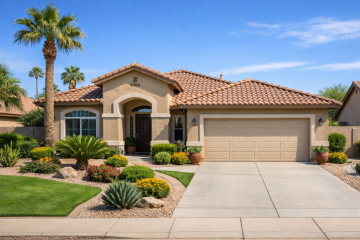
First impressions matter to buyers. Simple steps like trimming hedges, planting flowers, repainting the front door, and clearing walkways can dramatically boost your home’s curb appeal. Cleaner, more inviting exteriors lead to higher traffic, and even minor upgrades can pay off significantly. As property expert Kirstie Allsopp notes, buyers often form opinions about a home within the first 11 seconds of seeing it. These quick judgments highlight the importance of maximizing your home’s immediate visual impact. Learn more about the ’11-second rule’ here.
Invest in Professional Staging and Photography
Most house hunters start their search online, making professional staging and high-quality photography critical. Staged homes appear larger, brighter, and more inviting. Expert photographers can highlight your home’s best features, making your online listing stand out against the competition. Professional visuals often drive more showings, which can translate to quicker sales and higher offers.
Be Flexible and Open to Negotiation
In a buyer’s market, sellers who are open to negotiation typically achieve better results. This can mean adjusting your asking price, being flexible with closing dates, or agreeing to minor buyer requests regarding repairs or inclusions. Demonstrating a willingness to work with buyers often helps smooth the negotiation process and brings offers to the table faster.
Address Inspection and Appraisal Issues Proactively
Inspections and appraisals can be nerve-wracking, especially if they turn up unexpected problems late in the deal. Consider a pre-listing inspection to catch major repair issues before buyers do. Fixing potential deal-breakers before the deal closes reassures buyers and can prevent stressful renegotiations. When appraisals are involved, your agent can help prepare a package of comparable sales and improvement details to support your asking price.
Monitor Market Feedback and Adjust Accordingly
Once your property is on the market, pay close attention to feedback from showings and open houses. Are buyers commenting on price, layout, or condition? Use this input to refine your marketing strategy. Even small changes based on buyer feedback can help overcome hurdles that may be preventing offers from being made. Being proactive and willing to adapt is crucial, especially in challenging markets.
Consider Timing and Market Conditions
Market conditions, such as the local economy and seasonal shifts, play a big role in how quickly homes sell. If you have the flexibility to choose when you list, aim for times when buyer activity is at its peak, typically spring and early summer. If your target window falls in a slower season, be prepared to lean even more heavily on pricing, presentation, and negotiation to attract buyers. Selling in a tough real estate market requires adaptability, preparation, and an understanding of buyers’ expectations. By researching your local market, pricing realistically, and preparing your home inside and out, you’ll position yourself to attract serious buyers and secure a fair deal, regardless of market challenges.
Conclusion
Selling a home in a challenging real estate market requires careful planning, realistic pricing, and a strong understanding of buyer behavior. By setting a competitive price, improving curb appeal, and investing in professional staging and photography, sellers can significantly increase interest in their property. Flexibility during negotiations, along with proactive handling of inspections and potential repairs, helps prevent delays and last-minute deal breakdowns. Staying responsive to market feedback and adjusting your strategy when needed can also improve your chances of a successful sale. Additionally, timing your listing based on seasonal trends and local market conditions can play an important role in attracting the right buyers. With the right preparation and strategy, homeowners can navigate difficult market conditions more effectively and achieve a timely, fair, and successful sale.

Brooklyn-born astrophotographer currently broadcasting from a solar-powered cabin in Patagonia. Rye dissects everything from exoplanet discoveries and blockchain art markets to backcountry coffee science—delivering each piece with the cadence of a late-night FM host. Between deadlines he treks glacier fields with a homemade radio telescope strapped to his backpack, samples regional folk guitars for ambient soundscapes, and keeps a running spreadsheet that ranks meteor showers by emotional impact. His mantra: “The universe is open-source—so share your pull requests.”
0 Comments