In the ever-evolving landscape of search engine optimization (SEO), the value of strategic link building cannot be overstated. As algorithms become more sophisticated, digital marketers and SEO professionals find that relying on outdated link-acquisition tactics yields diminishing returns. These days, unlocking consistent ranking gains requires a smarter, data-driven approach. The shift is unmistakable: fewer spammy techniques and more focus on quality, authority, and relevance. For those seeking guidance or expert assistance, exploring SEO link building services can provide a valuable edge in this competitive environment.
Implementing a data-driven link-building strategy enables brands to secure links from sources that matter. Prioritizing authoritative, thematic, and industry-relevant links not only supports rankings but also enhances site trust, fortifies reputation, and drives sustainable visibility. Modern SEO practitioners now depend on competitive analysis, intelligent outreach, and robust reporting to maximize the benefits of link acquisition while minimizing wasted effort.
Crucially, data-driven methods empower marketers to make smarter, more informed decisions. By continually benchmarking their websites against the competition and observing industry trends, teams can adapt rapidly and avoid wasting valuable resources on ineffective tactics. Staying agile and vigilant ensures that every link built has a measurable and positive impact on rankings and brand exposure.
As Google continues to prioritize user-first content and authority, focusing your link-building efforts on outcomes supported by hard data is now a strategic necessity. This arms your SEO initiatives with defensibility, adaptability, and measurable ROI over time.
Understanding the Shift to Data-Driven Link Building
Not long ago, link-building programs succeeded by amassing as many backlinks as possible, often paying little attention to origin or relevance. Today, Google’s ranking systems reward websites that build thoughtful backlink profiles featuring diverse, authoritative sites with real editorial oversight. As algorithms advance, they can differentiate organic content from manipulative tactics. The result is a marketplace where building relationships and creating topical, useful content will always outperform shortcuts.
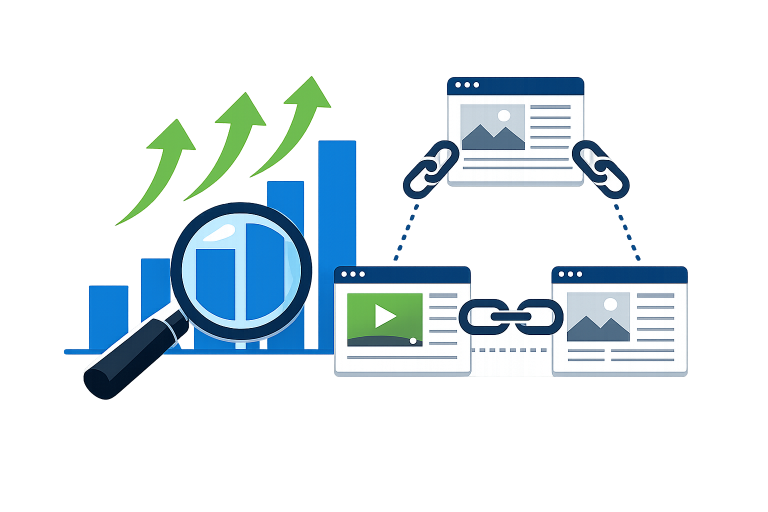
Moreover, this shift encourages brands and marketers to invest in assets that offer true value to audiences rather than focusing on low-hanging opportunities that may quickly become obsolete. Content with genuine utility and insight stands the test of time and attracts organic links more easily from other industry players, media outlets, and community members. Brands that excel at this often seamlessly integrate their link-building activities with broader content strategies.
Today, collaborative efforts among SEO, content, and PR teams are standard practice for leading organizations. These teams often use advanced analytics tools and automation platforms not only to identify high-potential link targets, but also to track competitor movements and optimize outreach efforts in real time. By closely aligning SEO goals with business objectives, companies can create initiatives that go beyond mere link acquisition and instead strengthen their overall digital presence.
Analyzing Competitor Backlinks for Strategic Insights
Competitive analysis forms the bedrock of a successful data-driven link-building strategy. Examining your leading rivals’ backlink profiles with tools like Ahrefs, SEMrush, or Moz will reveal which websites and content types are earning them valuable links. This reverse engineering allows you to identify gaps in your own strategy and tailor your outreach accordingly. Beyond simply mimicking their approach, you can spot fresh opportunities for strategic link acquisition and relationship building that others may have overlooked.
Going a step further, data from these platforms enables the evaluation of the quality and trustworthiness of referring domains. For instance, measuring domain authority, topical relevance, and historical linking patterns can prevent wasted effort on questionable targets and give clearer insight into which partnerships will drive lasting SEO benefits. Establishing a regular competitive review system lets your team stay on top of emerging trends and new players in your niche, ensuring your strategy never becomes static or outdated.
Leveraging Digital PR and Content Marketing
Digital PR paired with data-driven content marketing is a highly effective link-building engine. By promoting timely, relevant, and original research or stories, your brand can capture the attention of journalists, editors, and credible bloggers. Newsworthy digital assets, such as surveys, whitepapers, and in-depth guides, often attract backlinks from trustworthy publications organically. Case studies show that integrated campaigns drive more natural, high-authority links than isolated outreach efforts alone. The effectiveness of this approach is highlighted in Search Engine Journal’s recent digital PR guide.
Additionally, when digital PR and content teams leverage sector-specific data or exclusive findings, their probability of earning authoritative links rises significantly. Highly cited assets become keystones for both media outreach and industry engagement. Collaborations with influencers, thought leaders, or academic experts can further increase the authority and reach of your campaigns. Focusing on shareability and genuine audience value results in long-term link equity that improves rankings and enhances brand visibility well into the future.
Implementing Passive Link-Building Techniques
Passive link building centers on creating high-quality, evergreen content that naturally garners backlinks over time. Resources like detailed how-to guides, industry benchmarks, or interactive tools can become authoritative references that reporters, bloggers, and educators continually cite. This method reduces reliance on manual outreach and results in links that are often more resilient to future algorithm changes. Notably, a data-driven approach improves the odds of success by focusing on producing content proven to attract attention and links in your sector.
Passive methods also support scalability. As more users discover and reference your assets independently, your website’s credibility grows organically, freeing up resources for strategic campaigns or more ambitious projects. Well-crafted evergreen content serves as a long-term asset, delivering value and inbound links year after year while giving your team space to innovate and diversify your digital strategy.
Monitoring and Adapting Your Link-Building Strategy
Establishing ongoing analytics and regular audits is essential to any modern link-building program. Platforms like Google Search Console and advanced link analysis tools allow marketers to assess which acquired links are improving their rankings, what is working, and what needs to change. Regularly inspecting your backlink profile also uncovers potentially harmful or irrelevant links that may require disavowal. A commitment to ongoing performance tracking and adaptation ensures your strategy remains effective and compliant as algorithms change and the competitive landscape evolves.
Further, integrating qualitative insights with quantitative data sharpens overall strategy. Segmenting by link type, placement, and source authority adds context to raw numbers, making it easier to iterate on past successes and learn from approaches that missed the mark. Bringing together regular reporting and nimble experimentation equips SEO practitioners to turn insights into immediate action, maintaining strong rankings and link health over the long term.
Conclusion
Incorporating data-driven link-building strategies is essential for achieving lasting SEO growth and weathering ongoing changes in search algorithms. Focusing on quality, competitive intelligence, content marketing synergies, and measurement ensures your link profile is both future-proof and aligned with your business goals. By blending smart technology with proven tactics, you can maximize visibility, authority, and organic growth sustainably.
As the digital ecosystem becomes more competitive and algorithm changes more frequently, the brands best positioned for long-term success are those that proactively invest in intelligent link-building processes. Collaboration, transparency in reporting, and a willingness to embrace new insights will keep your link-building efforts both robust and flexible. Ultimately, a well-optimized inbound link strategy directly contributes to increased traffic, higher search rankings, and a stronger digital reputation, driving meaningful business outcomes for years to come.

Brooklyn-born astrophotographer currently broadcasting from a solar-powered cabin in Patagonia. Rye dissects everything from exoplanet discoveries and blockchain art markets to backcountry coffee science—delivering each piece with the cadence of a late-night FM host. Between deadlines he treks glacier fields with a homemade radio telescope strapped to his backpack, samples regional folk guitars for ambient soundscapes, and keeps a running spreadsheet that ranks meteor showers by emotional impact. His mantra: “The universe is open-source—so share your pull requests.”

0 Comments