In today’s mobile-driven world, the ability to interpret and present data effectively is crucial for delivering standout app experiences. Consumers and professionals alike want instant access to information presented in visually engaging ways. As a result, data visualization UI design has become a critical focus for developers seeking to boost user engagement and satisfaction. Effective visualizations provide clarity and enable quicker decisions on complex datasets via mobile devices. Adapting visuals for small screens, touch, and variable network speeds requires innovative and intuitive designs that present data clearly without confusion. This trend is driven by users’ preference for appealing, interactive dashboards over raw data, and by their demand for real-time, personalized experiences that add value. As more people analyze data on the go, designing for clarity and usability is crucial. Accessible insights boost trust, retention, and engagement, giving mobile apps a competitive edge.
Importance of Data Visualization in Mobile Apps
Data visualization makes abstract and intricate datasets meaningful and actionable. For mobile users who interact with limited screen space and often seek instant understanding, visual insights enable them to comprehend trends and outliers at a glance. This has a direct impact on user engagement, as effective visualizations make apps feel intuitive and purposeful. For example, finance, fitness, and productivity apps have all adopted rich data visuals to empower users with clear information that guides daily decisions effortlessly.
Beyond user-facing benefits, data visualization also streamlines data interpretation for businesses. It enables companies to distill actionable insights from complex backend analytics, facilitating faster, more accurate business decisions. Whether for interactive sales dashboards in CRM tools or daily health tracking, clear data visuals in mobile apps create a competitive edge that directly influences brand loyalty and app success.
Current Trends in Mobile Data Visualization
Mobile data visualization has evolved rapidly in recent years to meet user expectations and keep pace with technological advances. Significant trends shaping its development include:
- Interactive Visualizations:Touch gestures such as tap, pinch, and swipe allow users to zoom into areas of interest, filter datasets, and personalize their viewing experience. Interactivity turns otherwise static charts into dynamic tools for exploration.
- Real-Time Data Representation:The proliferation of IoT and cloud-based analytics enables instant updates to graphs and dashboards as new data arrives. Apps in sectors such as health, finance, and logistics especially benefit from displaying up-to-the-minute information.
- Minimalist Design:Simplicity reigns supreme as designers strive for clean, uncluttered visuals that highlight only the data points that matter most. Removing noise improves user focus and ensures readability on diverse mobile devices.
- Personalized Dashboards:Modern mobile apps are increasingly offering dashboards that can be customized to each user’s preferences. This personalization not only boosts relevance but also fosters more frequent engagement.
Challenges in Implementing Effective Visualizations
Despite advancements, developers encounter several technical and design hurdles when embedding effective data visualizations into mobile apps:
- Limited Screen Real Estate:Mobile devices require concise visuals and prioritization of key data. It is a balancing act to include enough detail without crowding the display or overwhelming the viewer.
- Performance Optimization:Complex or high-frequency data updates can slow down rendering or drain battery life. Developers must optimize for smooth user interaction by leveraging efficient algorithms and selective data loading.
- Data Accuracy and Security:Protecting user data and maintaining the fidelity of presented information is paramount, especially in domains where decisions have real-world consequences, such as healthcare and finance. Secure data handling and error-checking must underpin all visualizations.
Best Practices for Designing Mobile Data Visualizations
To design mobile data visualizations that are both effective and user-friendly, developers should consider these best practices:
- Prioritize Clarity:Use clearly labeled axes, easy-to-read legends, and tooltips for added context. Avoid ambiguity by providing concise explanations for each visual element.
- Optimize for Performance:Harness device hardware acceleration and implement lightweight, responsive libraries to keep interactions seamless as datasets grow.
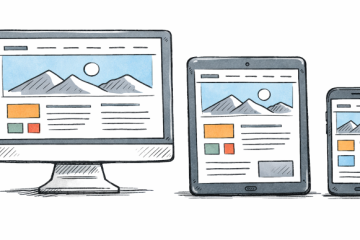
- Ensure Responsiveness:Visualizations must adapt flawlessly to multiple device orientations and resolutions. This helps guarantee a consistent experience across all user devices.
- Incorporate User Feedback:Collect and analyze feedback to fine-tune visualizations. Regular updates based on user input will help ensure your app meets evolving accessibility and usability demands.
Future Outlook of Data Visualization in Mobile Apps
Innovation in mobile data visualization shows no sign of slowing down. The ongoing surge of artificial intelligence and augmented reality is set to transform how users interpret and act upon data. AI-driven analytics will unlock predictive dashboards that anticipate trends and suggest actions, while AR will enable users to overlay data directly onto their real-world surroundings for context-rich insights.
As mobile processors and connectivity improve, the spectrum of what’s possible with mobile data visualization will expand further. Developers will be able to craft immersive, interactive, and highly personalized visual experiences that once required desktop-level computing power. The growing convergence of data science, UI design, and advanced mobile hardware signals that the next generation of apps will not only inform users but empower them to make smarter, faster decisions anywhere, anytime.

Brooklyn-born astrophotographer currently broadcasting from a solar-powered cabin in Patagonia. Rye dissects everything from exoplanet discoveries and blockchain art markets to backcountry coffee science—delivering each piece with the cadence of a late-night FM host. Between deadlines he treks glacier fields with a homemade radio telescope strapped to his backpack, samples regional folk guitars for ambient soundscapes, and keeps a running spreadsheet that ranks meteor showers by emotional impact. His mantra: “The universe is open-source—so share your pull requests.”
0 Comments