What “Tarnish‑Free” Really Means—And How UK Life Puts It to the Test
“Tarnish” is the darkening or dull film that forms when certain metals react with oxygen, sulphur, or chemicals in the environment. It’s common on copper and silver alloys, and it shows up as greying, yellowing, or a rainbow sheen that steals the sparkle. By contrast, genuine tarnish‑resistant or tarnish‑free pieces use metals and finishes that slow or prevent those reactions, keeping a bright finish for far longer with simple care. It’s also useful to separate true tarnish from everyday buildup. Sunscreen, perfume, hard‑water minerals, and soap can leave a film that looks like tarnish but cleans off easily with mild soapy water and a soft cloth.
Life in the UK can be a stress test for jewellery. Humid weather, frequent rain, hard water in many regions, and urban pollution can accelerate surface reactions. If you’re a London commuter hopping between the Tube and gym, a coastal weekender braving sea spray, or a festival‑goer caught in a downpour, your pieces meet sweat, salt, and moisture on repeat. That’s why shoppers increasingly prioritise everyday wear: designs and materials that look refined yet handle real life—workdays, workouts, and weekends included.
Material choice is the foundation. Sterling silver (92.5% silver) will naturally tarnish due to sulphur compounds in the air; it can be stabilised with rhodium plating or a clear protective coating. Solid gold (especially 14k and 18k) is notably resistant to tarnish because gold is inert; white gold is often rhodium‑plated for a crisp finish. High‑grade stainless steels like 316L and 904L resist corrosion through a passive chromium‑oxide layer and are frequently coloured with PVD (Physical Vapour Deposition) finishes that bond at the molecular level. Titanium, platinum, and palladium are also corrosion‑resistant and hypoallergenic options.
Labels such as “waterproof,” “water‑resistant,” and “shower‑safe” deserve a closer look. Fresh water and sweat are generally fine for solid gold and high‑quality stainless steel with PVD; chlorinated pools and hot tubs are harsher and can degrade coatings over time. Sea water combines salt and abrasion from sand, so a quick rinse and dry after a beach day is wise even for rugged pieces. Think of “tarnish‑free” as “low‑maintenance and resilient” rather than “indestructible.”
For skin comfort, look for hypoallergenic claims supported by material transparency: nickel‑safe stainless steel, titanium, platinum, or solid gold alloys with low nickel content reduce the chance of irritation. In the UK, hallmarking on precious metals above set weight thresholds provides assurance of metal fineness, and nickel release is governed by standards like BS EN 1811. Responsible makers disclose base metals, plating thickness, and any protective topcoats so you know exactly what touches your skin.
The Best Materials and Finishes for Long‑Lasting Shine
Solid gold is the classic standard for tarnish‑resistant style. Fourteen‑carat and eighteen‑carat options balance durability and richness of colour; nine‑carat, common in the UK, is harder and more budget‑friendly yet still resists tarnish well. Because gold is chemically stable, everyday exposure to air and moisture won’t dull it. White gold typically receives a rhodium finish for a bright, mirror‑like tone, while yellow and rose gold show their natural hues. The trade‑off is cost, so many shoppers mix a few solid staples with well‑engineered fashion pieces.
Stainless steel—especially 316L (surgical) and 904L (marine‑grade)—is a modern hero for daily wear. It forms a self‑healing passive layer that resists corrosion, and it’s tough enough for active lifestyles. When coloured with PVD, steel achieves gold, rose, or black tones that are far more abrasion‑resistant than conventional electroplating. PVD bonds the colour to the surface in a dense, even layer, producing jewellery that is both sleek and resilient through sweat, steam, and the odd British downpour. Well‑polished edges and secure clasps add to longevity by reducing friction points.
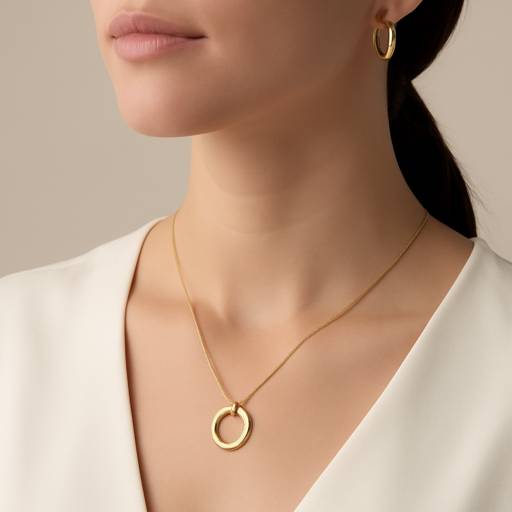
Gold vermeil is a smart middle ground for those seeking a precious‑metal surface without the solid‑gold price. By definition, vermeil in the UK and US requires a sterling silver base with a minimum of 2.5 microns of gold. That added thickness outperforms thin “flash plating” and maintains a rich gold look with proper care. Rhodium on silver, or a clear e‑coat over gold layers, can further slow tarnish and scratches. Do note that all plating can eventually show wear at high‑friction areas, especially rings and bracelets, so consider earrings, pendants, and cuffs for longest life in vermeil.
Platinum and palladium are premium, inherently tarnish‑free, and hypoallergenic; platinum develops a soft “patina” of tiny surface marks rather than tarnishing, which many wearers love for its understated glow. Titanium is feather‑light, hypoallergenic, and extremely strong, making it a top pick for discreet, everyday studs and bands. These advanced metals command higher prices or come in more minimalist designs, but they offer incredible longevity with minimal upkeep.
Beyond metal, craftsmanship and finish quality matter. A smooth, high polish leaves fewer micro‑crevices for grime to settle, while thoughtful engineering—snap‑secure huggies, soldered links, reinforced jump rings—reduces stress points that can expose base layers. Collections that favour clean, modern lines pair beautifully with workwear and weekend looks, and brands that prioritise consistent quality and responsible production tend to provide the transparency that smart UK shoppers seek: clear metal specs, plating thickness in microns, and care guidance geared towards real life.
How to Choose, Wear, and Care: A UK‑Focused Checklist
Start with clarity on materials. Look for explicit disclosure of base metal (316L/904L stainless steel, sterling silver, solid 9k/14k/18k gold, titanium, platinum), plating technology (PVD, gold vermeil at 2.5+ microns, rhodium), and any protective e‑coats. For sensitive skin, prioritise hypoallergenic choices and nickel‑safe alloys. If you’re buying precious‑metal pieces, check for UK hallmarking when applicable. Reputable makers also outline repair or replating options and offer a straightforward returns policy, reflecting confidence in everyday durability.
Match pieces to your routine. If you cycle to work, hit the gym at lunch, and cook most evenings, PVD‑finished stainless steel hoops, chains, and signet‑style rings can handle sweat, steam, and frequent washing. For office‑to‑occasion versatility, gold vermeil pendants and huggies deliver a luxe look without the solid‑gold price; keep rings in vermeil as occasional wear to minimise friction. If you swim in Brighton or Cornwall, stainless steel or solid gold excels; rinse after sea or pool sessions. For lifelong staples—wedding bands, heirloom‑worthy chains—solid gold or platinum is a confident, low‑maintenance bet.
Build an easy care ritual. After workouts, rain, or sea spray, rinse jewellery in lukewarm water and dry thoroughly with a soft microfibre cloth; moisture trapped under clasps or earring backs is a common culprit for dullness. Put jewellery on last—after SPF, hair products, and perfume—and take it off first at the end of the day. Store pieces individually in soft pouches or anti‑tarnish bags to prevent scratches and slow oxidation on silver. For cleaning, use mild soap and water, pat dry, and buff. A silver polishing cloth revives sterling and rhodium‑plated items; avoid abrasive powders and ultrasonic cleaners on plated pieces to protect finishes.
Think through real‑world scenarios. A London commuter wearing PVD gold‑tone huggies and a slim curb chain can expect lasting colour and shine with weekly rinses and mindful storage. A coastal runner choosing 316L studs and a minimal pendant enjoys sweat‑safe, salt‑resistant practicality—just rinse post‑run. For wedding season, a gold vermeil collar and drop earrings offer elevated shine across multiple events; store them separately and wipe down after makeup to keep the finish immaculate. These choices reflect a simple rule: align material with exposure, then add small, consistent care habits.
Finally, value transparency and design intent. Pieces created expressly for everyday wear—with modern, timeless lines and finishes engineered to resist UK conditions—tend to outperform trend‑driven items built with thinner plating or mystery alloys. If you’re browsing for thoughtfully made, low‑maintenance pieces that stay bright through workdays and weekends, explore curated selections focused on Tarnish-free jewelry UK. Look for clear material specs, responsibly made collections, and designs that balance durability with a refined, versatile aesthetic.

Brooklyn-born astrophotographer currently broadcasting from a solar-powered cabin in Patagonia. Rye dissects everything from exoplanet discoveries and blockchain art markets to backcountry coffee science—delivering each piece with the cadence of a late-night FM host. Between deadlines he treks glacier fields with a homemade radio telescope strapped to his backpack, samples regional folk guitars for ambient soundscapes, and keeps a running spreadsheet that ranks meteor showers by emotional impact. His mantra: “The universe is open-source—so share your pull requests.”